Budj Bim
UNESCO World Heritage-listed Gunditjmara Country, where people have farmed eels in stone channels for at least 6,600 years.
Why go
UNESCO World Heritage-listed Gunditjmara Country, where people have farmed eels in stone channels for at least 6,600 years.
Overview
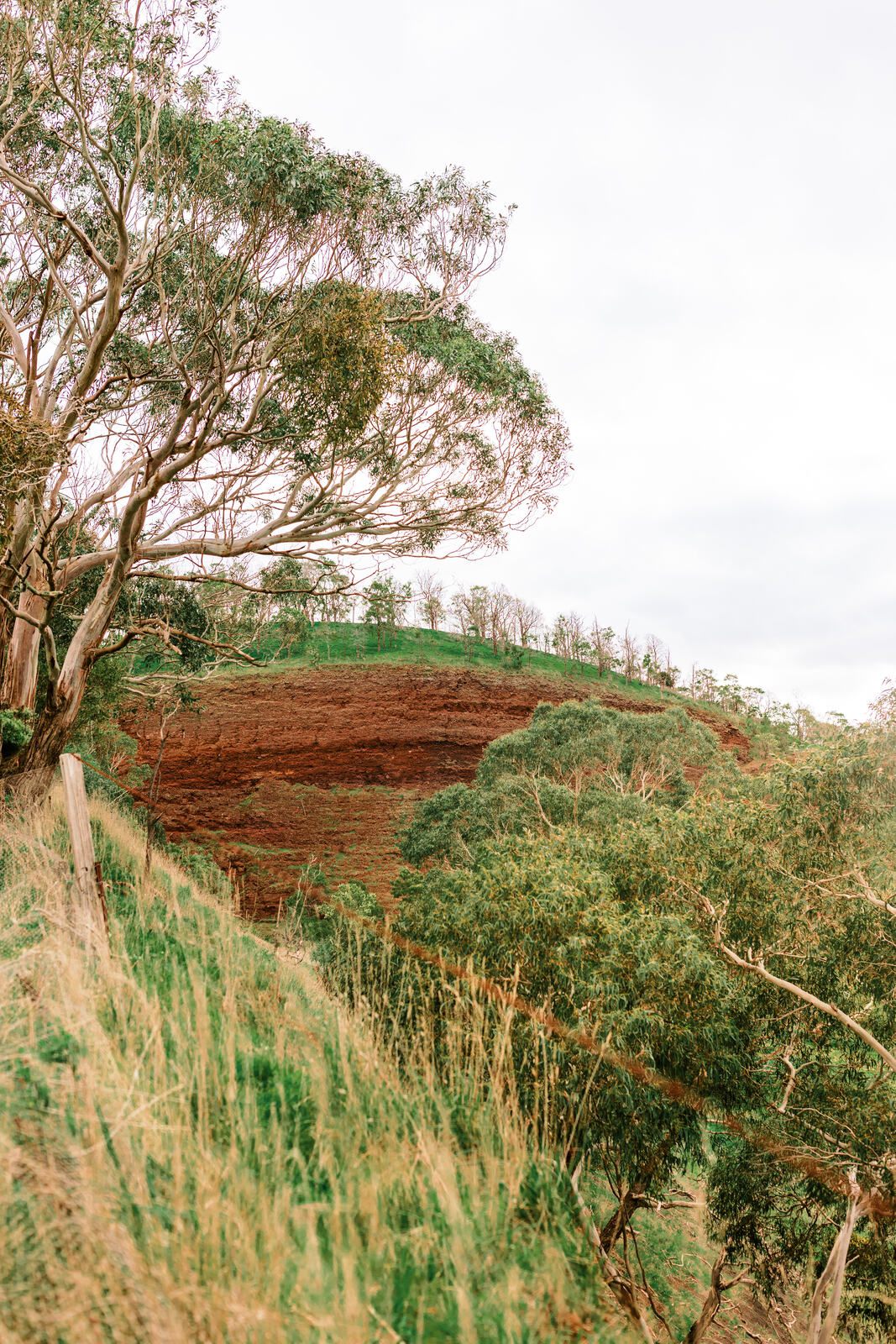
Budj Bim is a dormant volcano in the Western District and the heart of a Gunditjmara cultural landscape added to the UNESCO World Heritage List in 2019. The listed landscape has three parts: Budj Bim in the north, Kurtonitj in the centre and Tyrendarra in the south. The name means high head in the Gunditjmara language, and the volcano's eruption, at least 30,000 years ago, is part of Gunditjmara creation stories.
Kooyang
Lava from the eruption reshaped the land into wetlands, and the Gunditjmara built channels, weirs and ponds from the volcanic rock to trap, hold and harvest kooyang, the short-finned eel. This aquaculture system has been in use for at least 6,600 years. Summer is the season of the kooyang.
Tae Rak and guided tours
Start at the Tae Rak Aquaculture Centre at Lake Condah, known as Tae Rak, which has free entry and a café serving smoked kooyang. Gunditjmara guides lead tours from here, from short cultural walks to half- and full-day trips through the stone country. Tae Rak is about 68 km from Port Fairy, around 50 minutes by car. Check opening days before you set out.
Budj Bim National Park
Once called Mount Eccles National Park, this was Victoria's first national park co-managed by Traditional Owners, the Gunditjmara with Parks Victoria. Follow the Crater Rim Walk above Lake Surprise, explore the lava canals and Tunnel Cave, or camp among manna gums close to the lake. The lookout platform at Lake Surprise is closed for now, so check Parks Victoria alerts before you visit.
Budj Bim in pictures
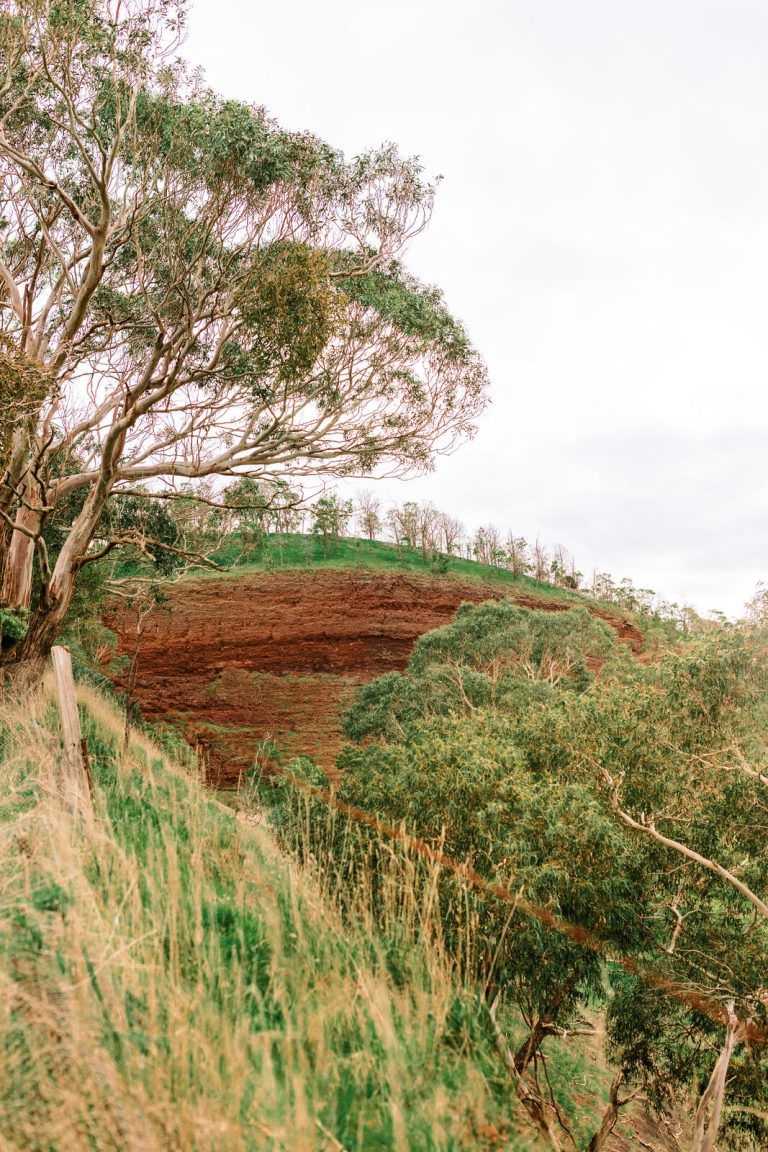
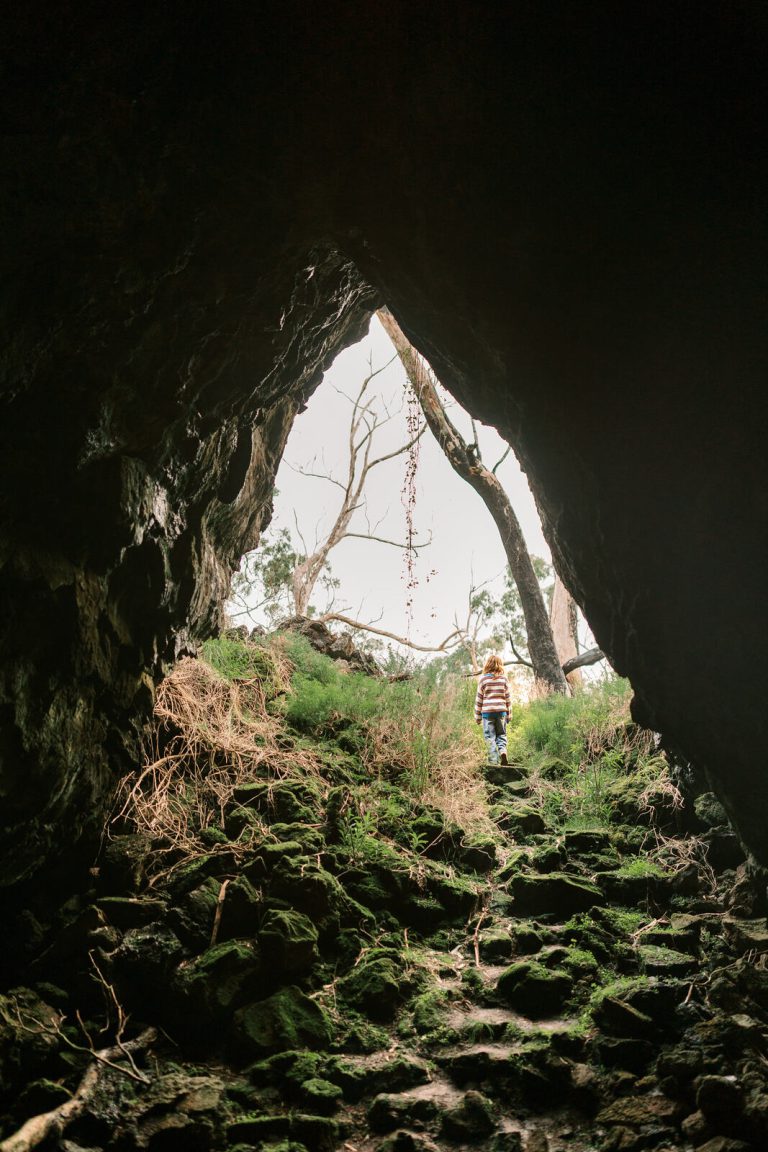
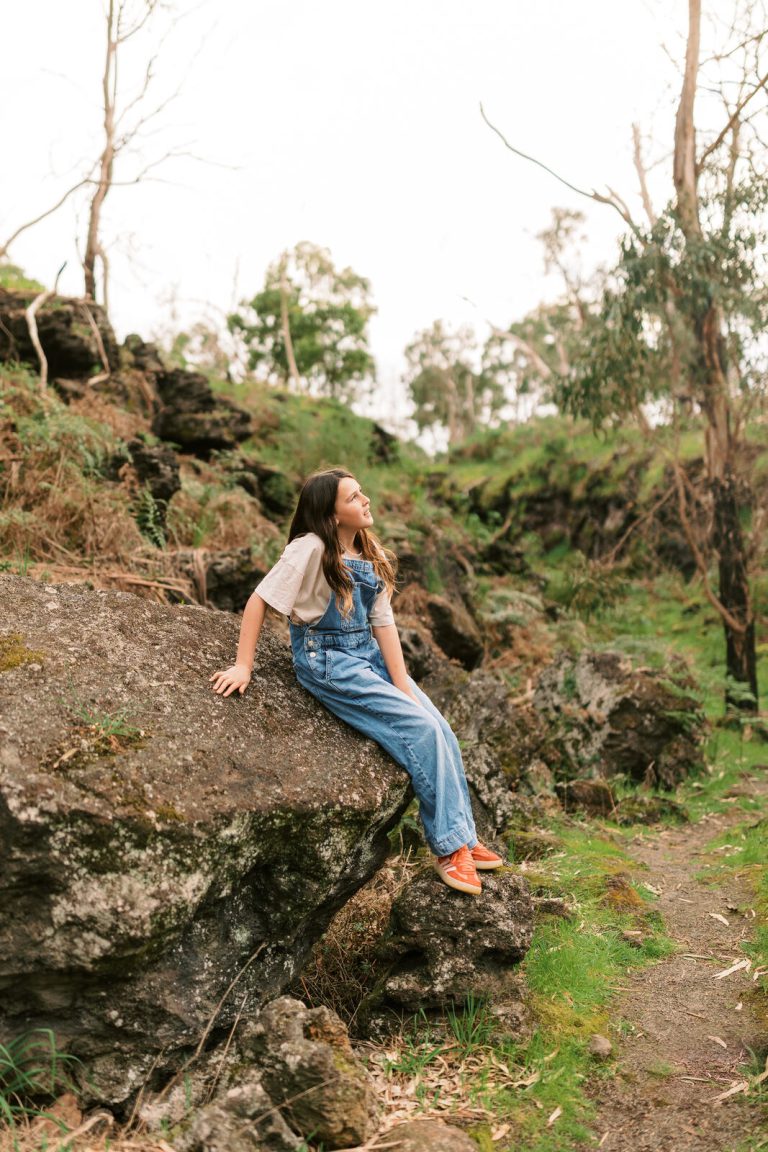
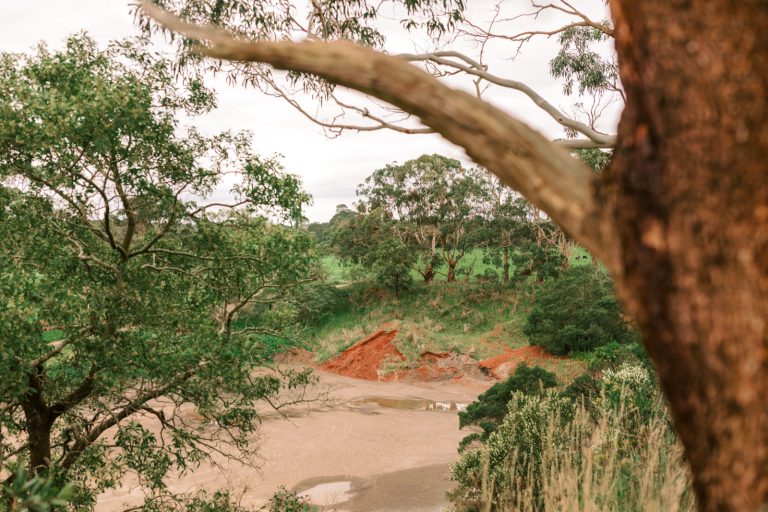
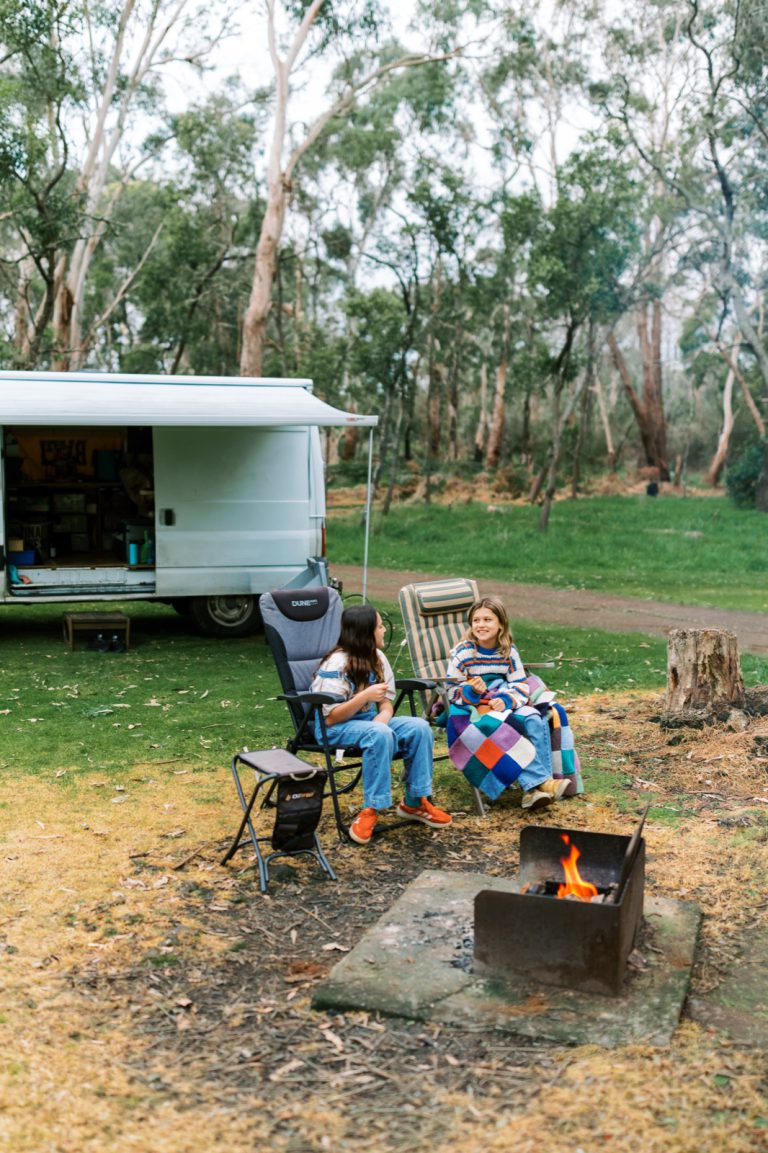
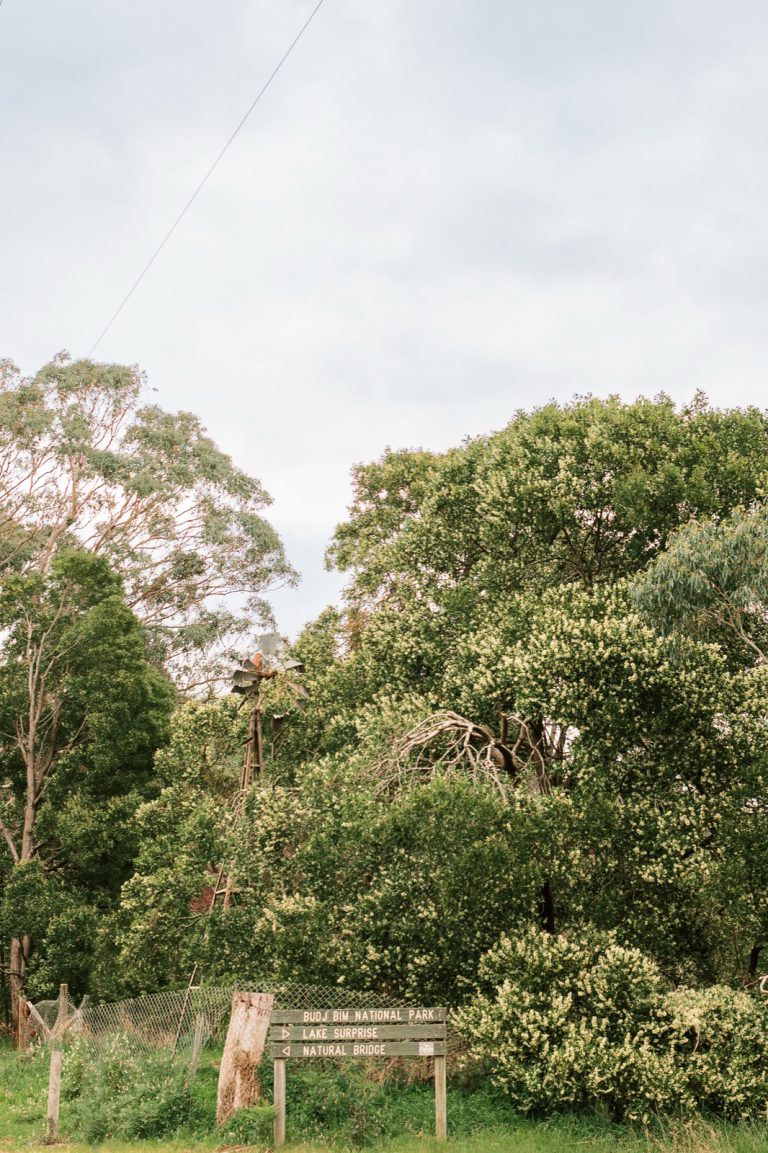
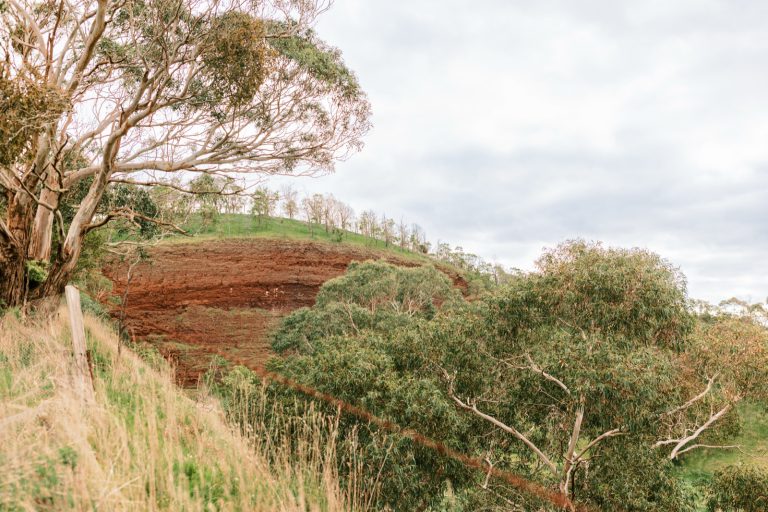
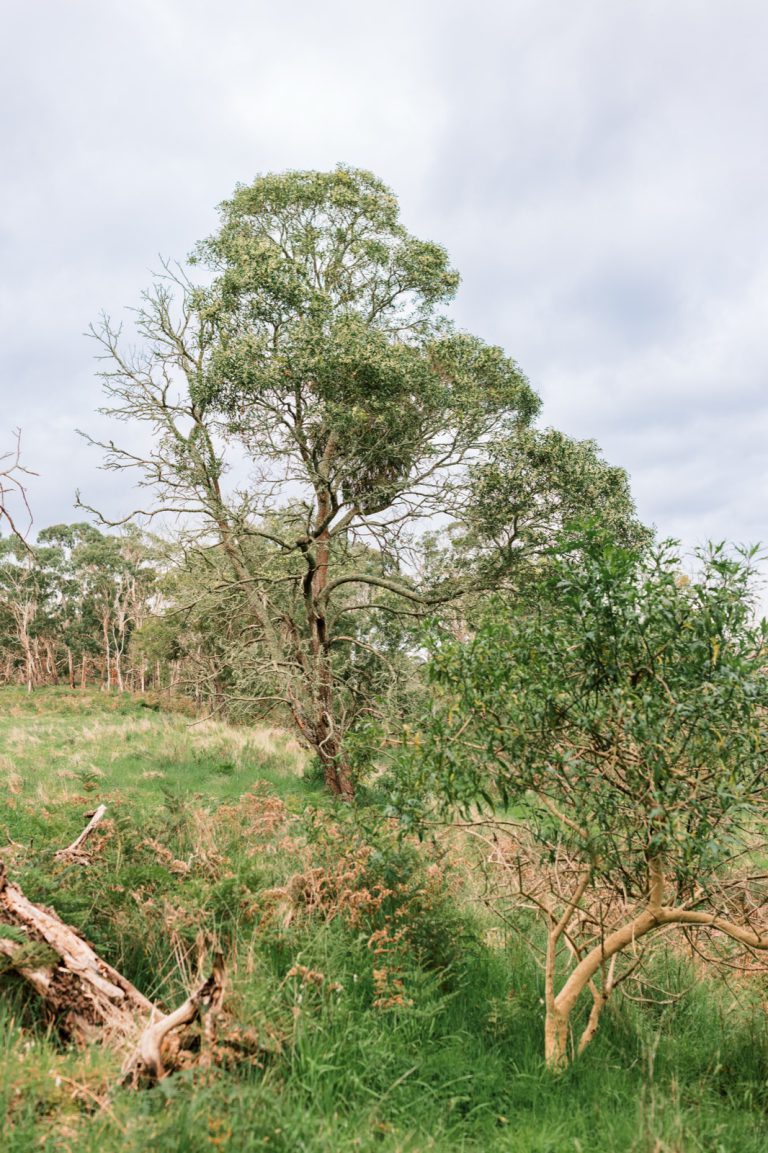
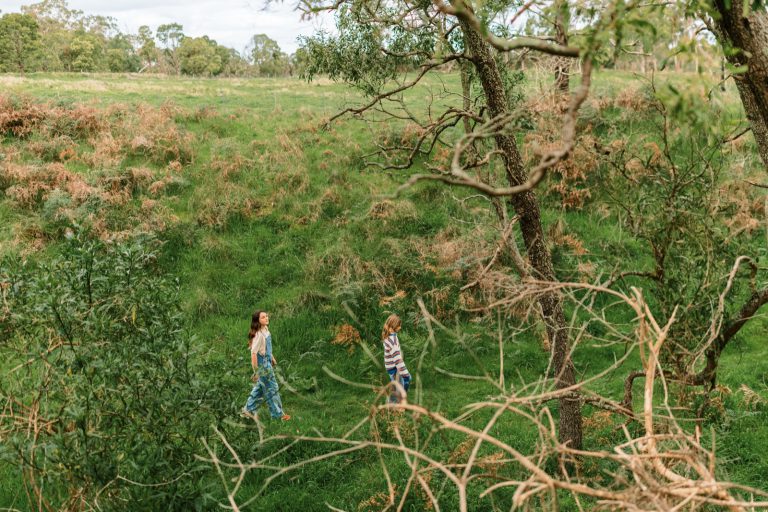
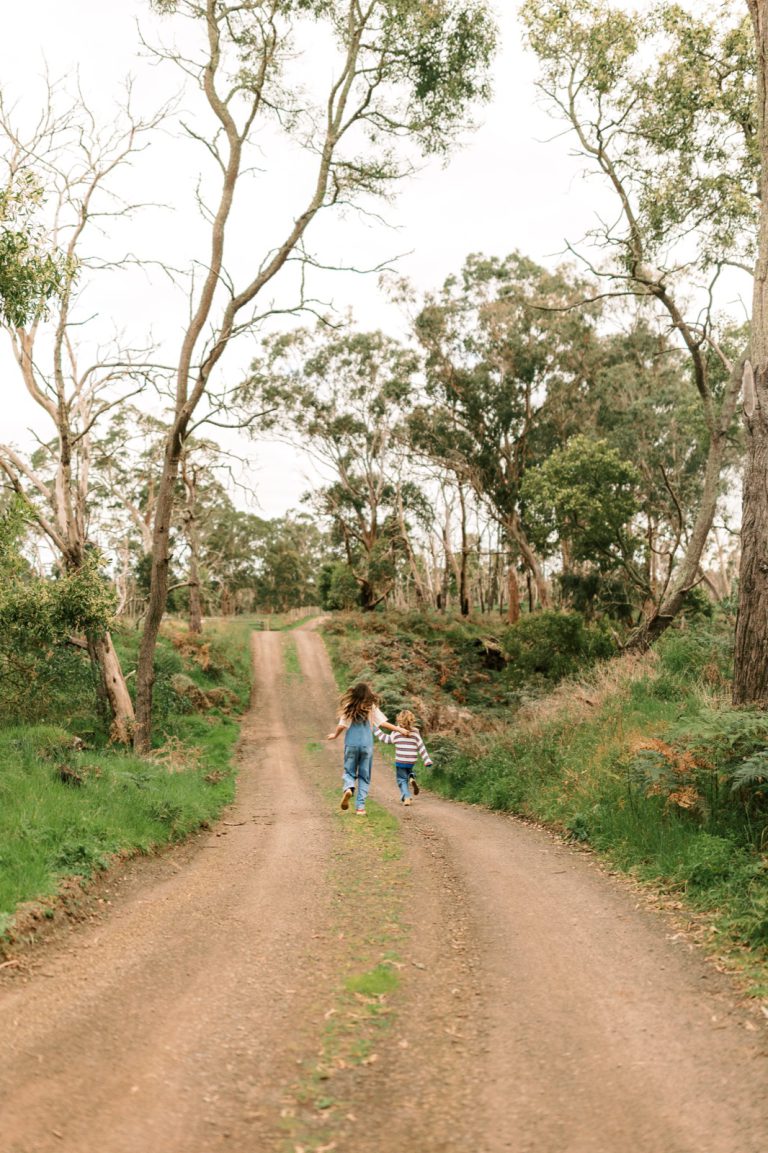
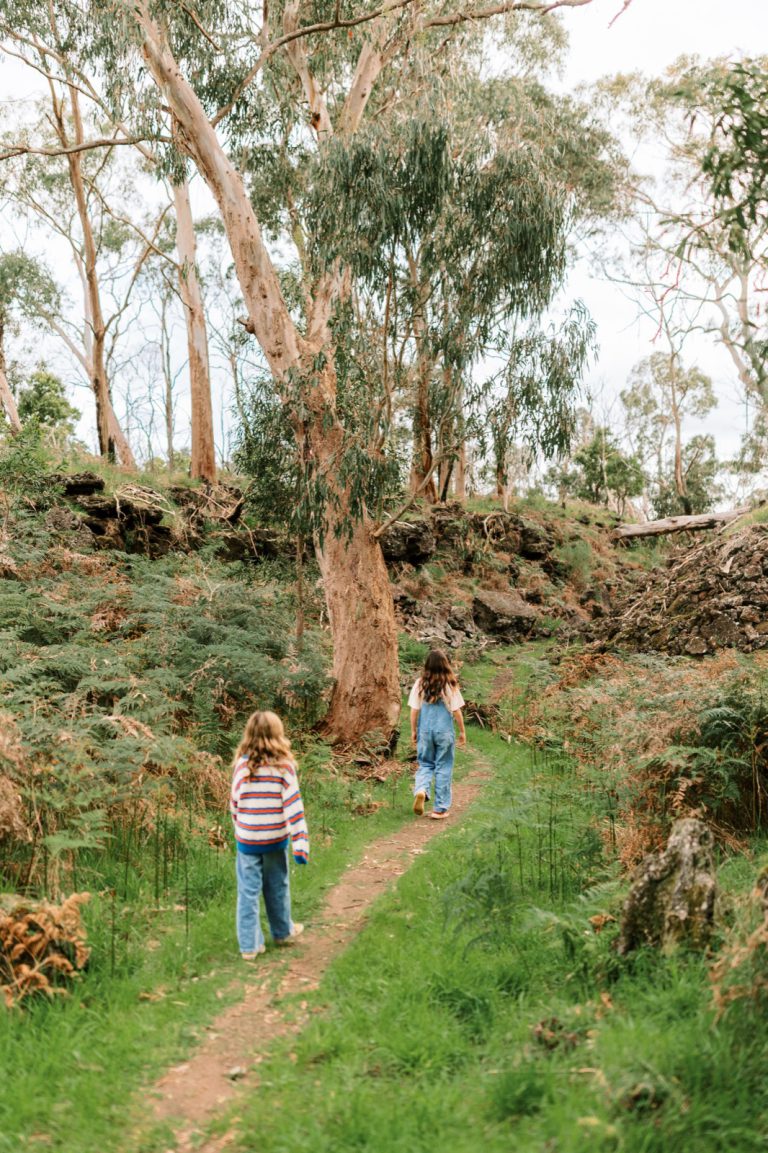
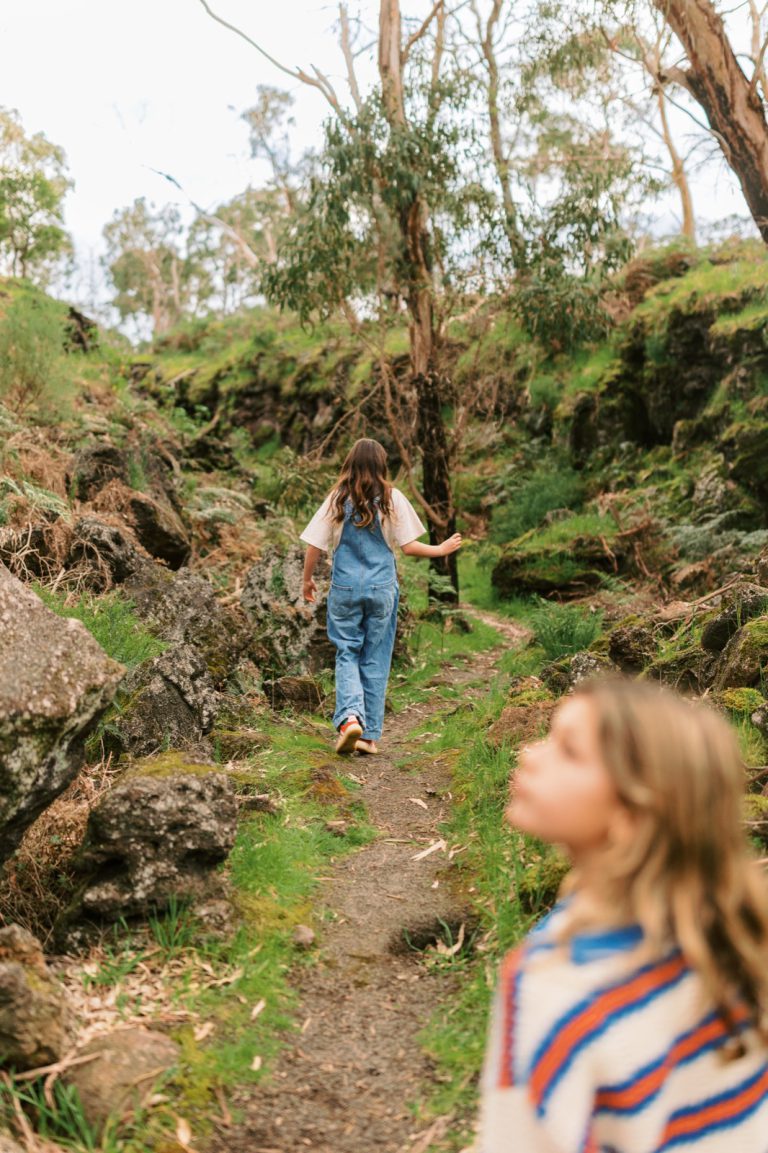
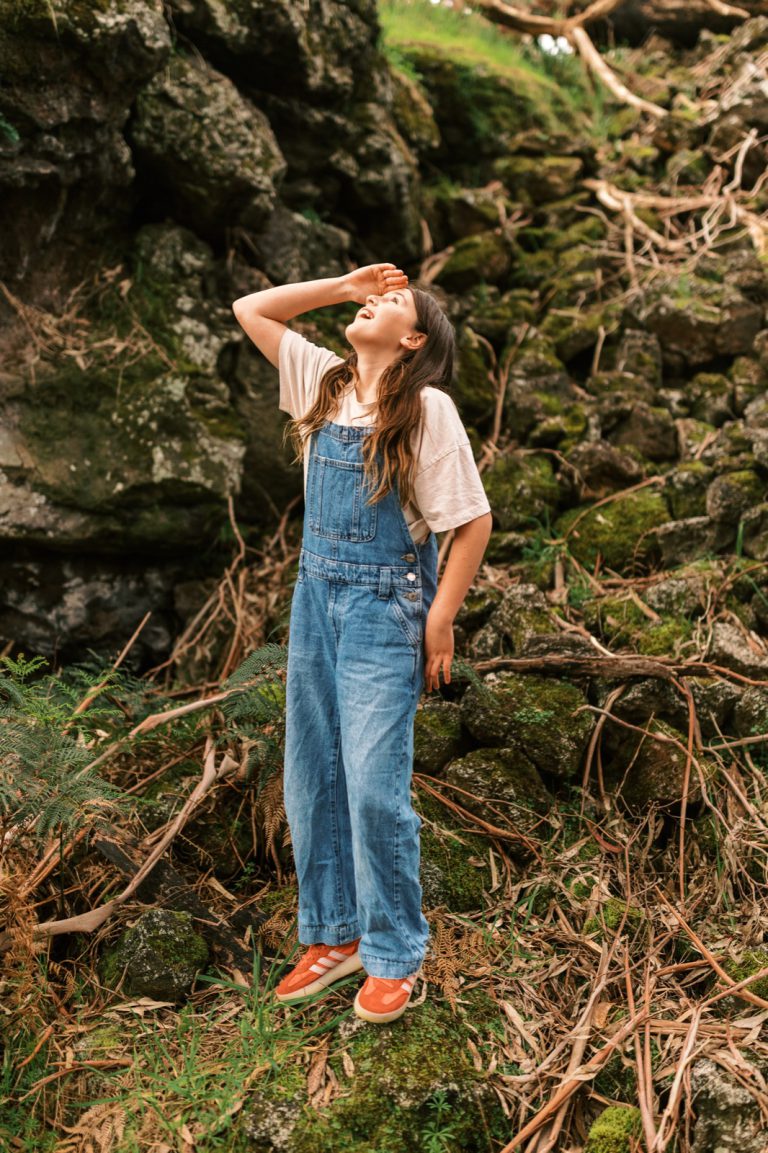
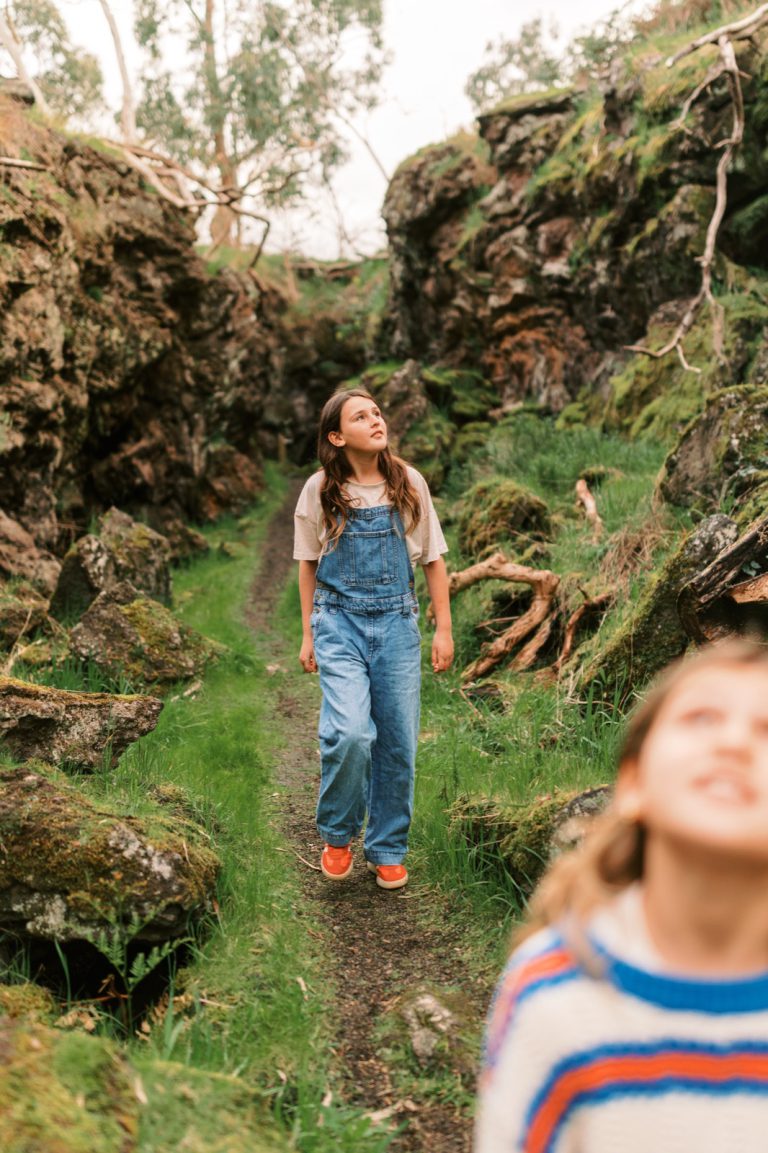
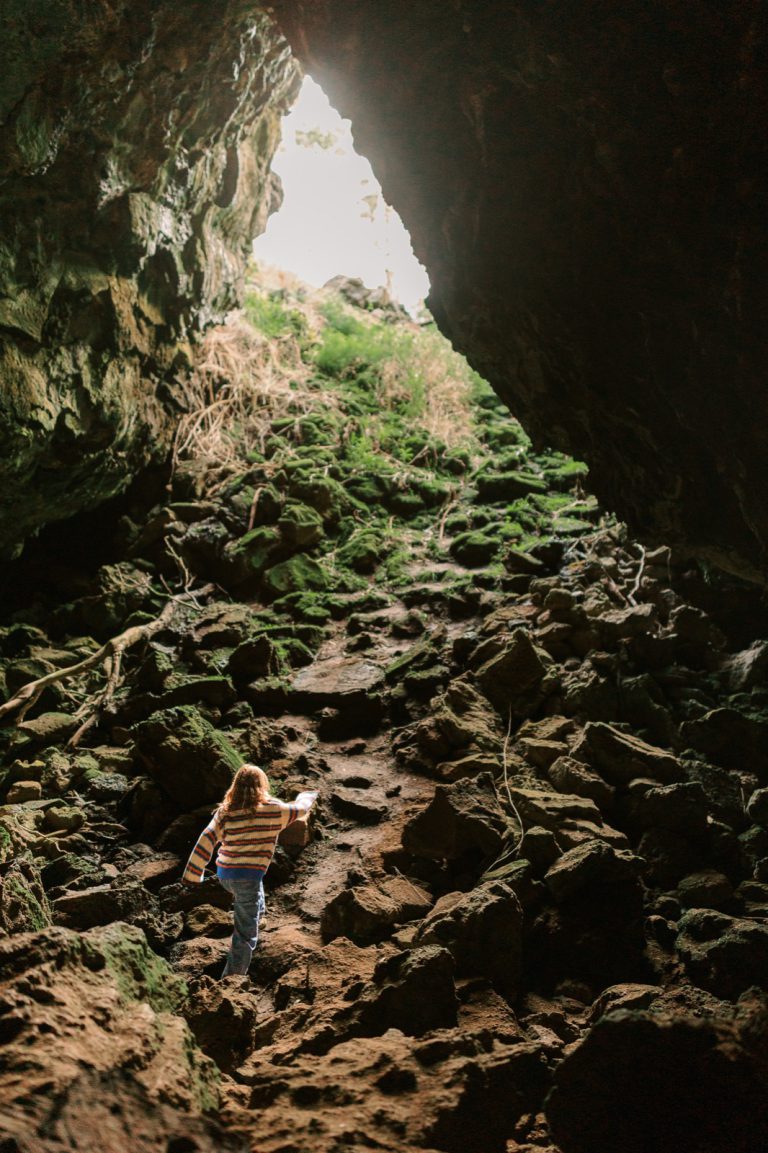
Photos: Jennah King Photography.
Acknowledgement of Country
We acknowledge the Eastern Maar People, Traditional Owners of the lands and waters around Port Fairy, and pay our respects to their Elders past and present. We recognise their continuing connection to Country, sea and culture. Read more